Back to Learn


Win rates in B2B sales are hovering around 28%. That means nearly three out of every four opportunities you open don’t result in a deal. But what’s more concerning is where those deals are going. Most of them aren’t lost to a competitor. They’re going nowhere.
Buyers are increasingly dissatisfied with the sales process, so they choose to stick with the status quo rather than move forward with anyone.
And there’s more. According to Gartner, roughly 70% of B2B buyers would prefer a sales rep-free experience. Think about that for a moment. The people you’re trying to help would rather avoid sales conversations altogether.
This isn’t a product problem.
It isn’t a market problem.
It’s a selling problem.
Key Takeaways
- Win rates have dropped to around 28%, with most deals ending in no decision rather than a competitive loss
- Buyers increasingly prefer sales-free experiences because sales conversations often waste their time
- Poor listening and product-centric messaging are at the core of the problem
- Trust must be earned before it can be leveraged, and most sellers skip this step
- AI has amplified bad sales behavior by making it easier to scale irrelevant messaging
Who This Is For
This is for B2B sales professionals and leaders who feel like they’re working harder than ever and getting less in return. If activity is up but results are down, or if your team is busy but struggling to convert, this will help explain why buyer behavior has shifted and what needs to change.
The Two Core Problems Killing Your Win Rates
If you strip everything back, two gaps are doing the most damage.
Problem #1: We’re Not Actually Listening
Most salespeople believe they’re good listeners. In reality, most are listening just long enough to respond.
During discovery, many sellers are already thinking about which feature to mention next or how to steer the conversation toward their pitch. They’re pattern-matching what they hear to a familiar script instead of staying present.
That isn’t listening. It’s just waiting for your turn to talk.
When sellers approach conversations this way, needs analysis stays shallow and recommendations default to whatever they sell instead of what the buyer actually needs.
Buyers feel that immediately.
Problem #2: Our Messaging Is Aggressively Bad
Most sales messaging today is painfully product-centric.
It sounds like this:
“I’m your sales rep. Our company does X. Our product has Y feature. Here’s the benefit.”
Everything revolves around the seller, the company, and the product. Very little reflects the buyer’s actual challenges.
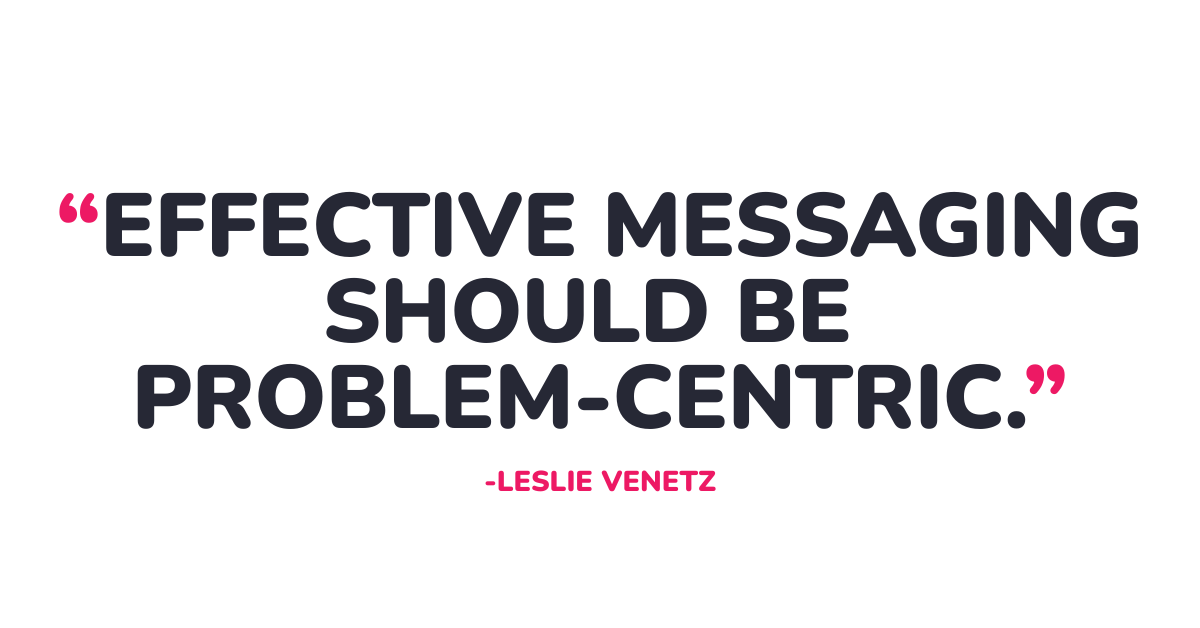
Effective messaging should be problem-centric. Before you send an email or leave a voicemail, ask yourself one simple question:
What have I done to earn the right to this person’s attention?
If the message doesn’t clearly demonstrate relevance to the buyer’s world, it fails. Most outreach fails this test.
And Then We Made Everything Worse With AI
Now we’ve added AI tools to the mix, and in many cases, that’s made the problem worse.
AI didn’t create bad sales behavior. It amplified it. Sellers can now send irrelevant, product-centric messaging at a scale we’ve never seen before. Outreach that lacks research, context, or intent is easier to produce than ever.
The result is more noise, not more value. Buyers are flooded with messages that prove the seller doesn’t understand their business, their role, or their priorities.
The tools themselves aren’t the problem. The issue is how they’re being used. AI should support judgment and relevance. Instead, it’s often used to avoid the thinking work that trust actually requires.
Why Buyers Have Checked Out
When poor listening combines with bad messaging, sales conversations feel like a waste of time. Buyers meet with reps who don’t understand their problems and pitch solutions that aren’t relevant.
So buyers make a rational choice. They don’t move forward. They don’t switch vendors. They stay where they are, solve the issue internally, or live with the pain.
The cost of change plus the cost of dealing with salespeople often feels higher than doing nothing.
In many cases, buyers either try to solve the problem internally or decide it’s easier to live with the pain than re-enter a sales process they don’t trust.
Over time, buyers learn to avoid sales conversations entirely. That’s how we ended up here.
The Trust-First Approach to Fixing This
If win rates are going to improve, trust has to be rebuilt. Not just deal by deal, but across the entire buying experience.
That requires changing how sellers show up.
Start With Real Listening
Listening isn’t a soft skill. It’s foundational.
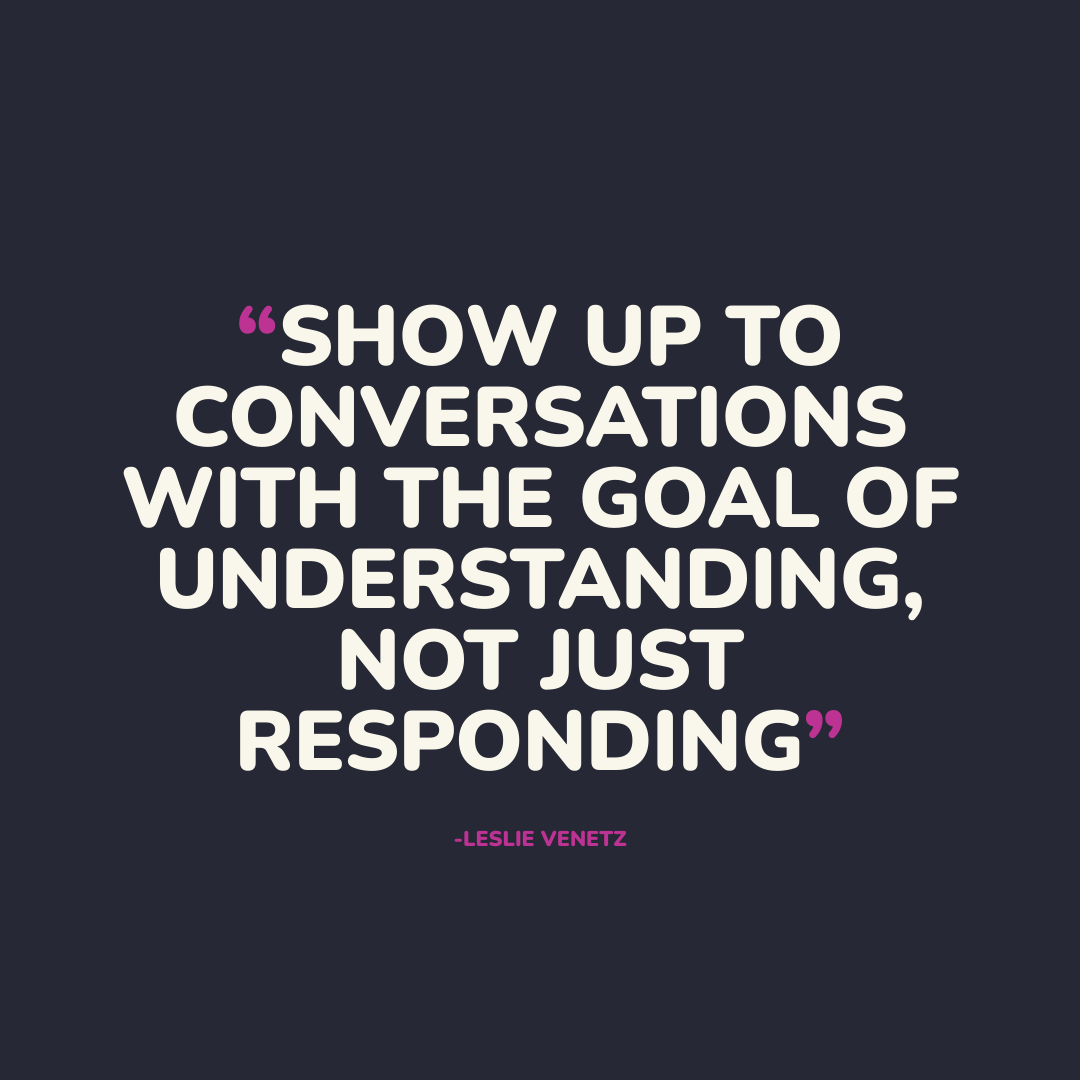
Show up to conversations with the goal of understanding, not just responding. Ask better questions. Sit in silence while buyers think. Confirm what you heard before moving on.
When buyers feel heard, they share more. When they share more, you can actually help. And when you help, deals move forward.
Make Your Messaging Problem-Centric
Stop talking at prospects. Start engaging with them.
Every message should demonstrate understanding of the buyer’s world. It should address a real problem and make the reader think, “This person gets it.”
If you removed your company and product name from the message, it should still be valuable. Only after you establish relevance do you earn the right to introduce a solution.
Use AI for Relevance, Not Just Scale
AI should help sellers think better, not just move faster.
Use it to research accounts, understand context, and identify meaningful signals. Don’t use it to blast generic messages or fake personalization. AI should support judgment, not replace it.
Trust Must Be Earned Before It Can Be Leveraged
Trust isn’t something you can shortcut. You can’t manufacture it at scale.
Trust comes from helping more than selling. From respecting time. From being honest about fit. From reaching out only when you have something genuinely useful to say.
When trust improves, win rates follow. Teams gain confidence in a better way of working, and leaders stop defaulting to activity for activity’s sake.
Sales is harder than it’s been in a long time. But the solution isn’t more volume, more automation, or more pressure. The solution is trust, built consistently, with the buyer at the center.
FAQs
What if my sales leadership demands higher activity numbers?
Start by showing results. Test a trust-first approach with a focused segment and track engagement, meeting quality, and conversion rates. When response rates improve and deals progress more smoothly, it becomes easier to shift the conversation from volume to effectiveness.
How do I balance trust-building with hitting short-term quota?
Trust-building doesn’t mean slowing down. It means being intentional. Strategic outreach often shortens sales cycles and improves close rates, which makes quota easier to hit, not harder.
Isn’t this just basic sales fundamentals?
Yes. But fundamentals get lost when teams chase new tools and tactics. Right now, listening and relevance matter more than ever because buyers are actively avoiding sales conversations.
How do I know if my messaging is problem-centric enough?
Remove your company and product name from the message. If it’s still useful and relevant, you’re on the right track. If not, rewrite it.
What’s the first step I should take to improve?
Start by listening to your own calls. Notice how often you interrupt or redirect. Then commit to asking one additional follow-up question before moving toward your pitch. Small changes here create meaningful results.
How long does it take to see results?
Engagement improves quickly, often within weeks. Win rate improvements take longer because deals need time to close, typically one full sales cycle. The long-term impact compounds through referrals and repeat business.
What if my product really is the best solution?
Even the best solution doesn’t eliminate the need for trust. Buyers need to believe you understand their problem before they believe in your product.
How should I think about trust-first selling in practice?
I don’t think about trust-first selling as a rigid framework. I think about it as how you show up consistently. In practice, it comes down to three behaviors working together.
First, listen to understand, not to respond. Second, lead with the buyer’s problem, not your product. Third, earn the right to ask for attention by grounding outreach in something specific and relevant.
When these behaviors align, trust builds naturally. Buyers stop hearing a pitch and start feeling understood.
Can you recommend books that will help me learn more?
Yes. Read Profit Generating Pipeline: A Proven Formula to Earn Trust & Drive Revenue by Leslie Venetz, available at www.salesledgtm.com/book . The book outlines a 9-step formula for prospecting and revenue generation adapted to the modern buyer.
How can I learn more about hiring Leslie as a speaker or working with her team?
Visit www.salesledgtm.com to learn more about services and schedule time to connect.